Denver Software Licensing & SaaS Agreement Attorneys
Most software disputes trace back to one sentence nobody negotiated: who owns the code, the data, or the improvements once the deal goes sideways. Sequoia Legal drafts software licenses and SaaS agreements that answer that question before it becomes a fight, so you get paid and stay protected against piracy and misuse.
Years Serving Businesses
Successful Business Transactions Closed
What Our Clients Say













Denver Software Licensing Attorneys Built Around Your Business Model
No two software companies sell their product the same way, so no software licensing agreement should look the same either. Your license needs to reflect your product, delivery method, and how you plan to monetize the software.


A beta test needs different terms than a full release, and an installed product needs different terms than one delivered through the cloud. Sequoia Legal's skilled software licensing and SaaS agreement lawyers will use their advanced knowledge to draft for both delivery models, so your agreement matches how your product actually works, not a template built for someone else's.

Let's Draft a Solid Licensing Agreement That Fits Your Business
Contact Sequoia Legal to discuss your software licensing program and how to tailor your software licensing agreements to your company's needs.
Software License or SaaS Agreement? Know the Difference Before You Draft.
People often use the two terms interchangeably, but they cover different deals with different risks. Getting the label right determines which terms your agreement actually needs.
Sequoia Legal has extensive experience drafting both and tailors the license structure to a single product, a full software suite, or a component licensed within someone else's platform.
Where Software and SaaS Agreements Most Often Go Wrong
A license or SaaS agreement is only as strong as the terms nobody thinks to negotiate until there's a dispute. Whether you're licensing your own software out or reviewing a vendor's SaaS terms before you sign, these are the provisions that carry the most risk.
- Ownership and IP assignment. A license grants use, not ownership. Development agreements need an explicit work-for-hire or assignment clause, or the developer keeps the rights by default.
- Payment and usage terms. License fees, installation counts, and permitted uses for a traditional license; subscription, usage-based, or tiered pricing and auto-renewal terms for a SaaS agreement.
- Service levels and hosting. SaaS agreements need uptime commitments, security obligations, and a disaster recovery plan, since you're hosting the software instead of handing over a copy.
- Data ownership and privacy. Your agreement should state who owns customer data, how it's secured, and what happens to it after termination, especially as the Colorado Privacy Act and laws like the CCPA and GDPR shape how SaaS providers handle customer data.
- Open-source exposure. Code built on open-source components can carry license obligations you didn't choose. A licensing attorney should confirm what's inside your product before you license it out.
- Limitation of liability and indemnification. These clauses decide who pays if the software fails or a third party claims infringement, and they're often the most heavily negotiated terms in the entire agreement.
- Termination and disputes. Your agreement should spell out the grounds for termination, what happens to the software and data afterward, and how disputes get resolved.
Sequoia Legal reviews and drafts each of these provisions to match how your software is actually used.
What Our Exceptional Software Licensing Lawyers Handle for You
Beyond drafting the agreement itself, Sequoia Legal advises on your revenue model, negotiates licensing terms with your customers or vendors, and steps in if a dispute over contract terms comes up. Our lawyer team also helps you decide whether a license, a subscription model, or licensing your patents, trademarks, or trade secrets instead fits your business better.
Many software companies also need related agreements: open-source licenses, source code escrow, non-circumvention agreements, development agreements, click-through or shrinkwrap terms, and NDAs. We build the full set your business needs, not just the primary license.
We Serve Software and Technology Companies Across Industries
Software and SaaS licensing needs look different depending on what you build and who you sell to. Sequoia Legal works with:
- Game developers
- Application developers
- Software programmers
- Open-source developers
- Cloud-based SaaS providers
- Custom software developers
- Healthcare technology companies
- Financial technology (FinTech) companies
Each industry brings its own licensing structure, compliance requirements, and customer relationships, and your agreement should reflect that from the start.
Your Software Took Years to Build. We’ll Make Sure Your License Protects That Hard Work.
Work with our skilled Denver software licensing and SaaS agreement attorneys who build the agreement around your product, not a boilerplate form.

Why Software Companies Work with Sequoia Legal
Sequoia Legal's software licensing and SaaS agreement lawyers can make it happen for you and your team:

-

Deep SaaS & Licensing Knowledge
We draft and negotiate software licenses and SaaS agreements for a living, from a single contract review to an ongoing SaaS agreement lawyer relationship.
-

Forward-Looking Strategy
We track how software law keeps shifting and build agreements that hold up as your product and business model evolve.
-

Colorado Market Knowledge
We work with Colorado-based tech companies on the local and national rules that shape their contracts.
-

Client-Focused Drafting
We build agreements around your actual business goals instead of a one-size-fits-all template.
-

Risk Mitigation Focus
Our contracts are built to keep small problems from becoming expensive disputes.
-

Full-Service Support
From licensing agreements to IP disputes, we cover the range of legal work your software business needs.
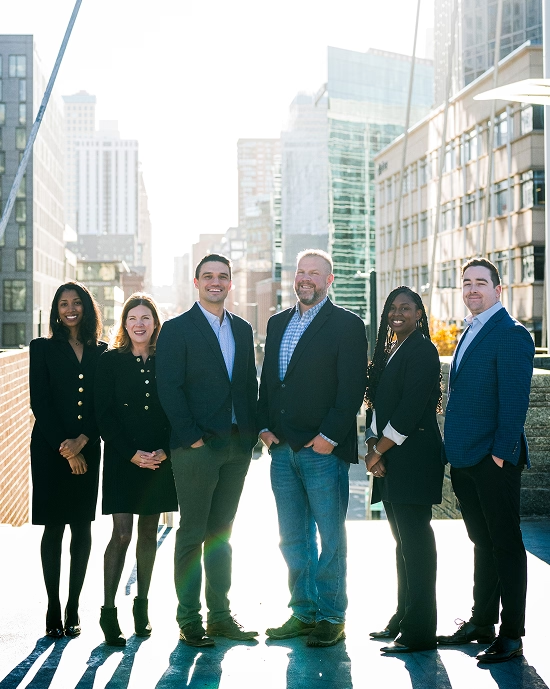
Meet Our Attorneys
-
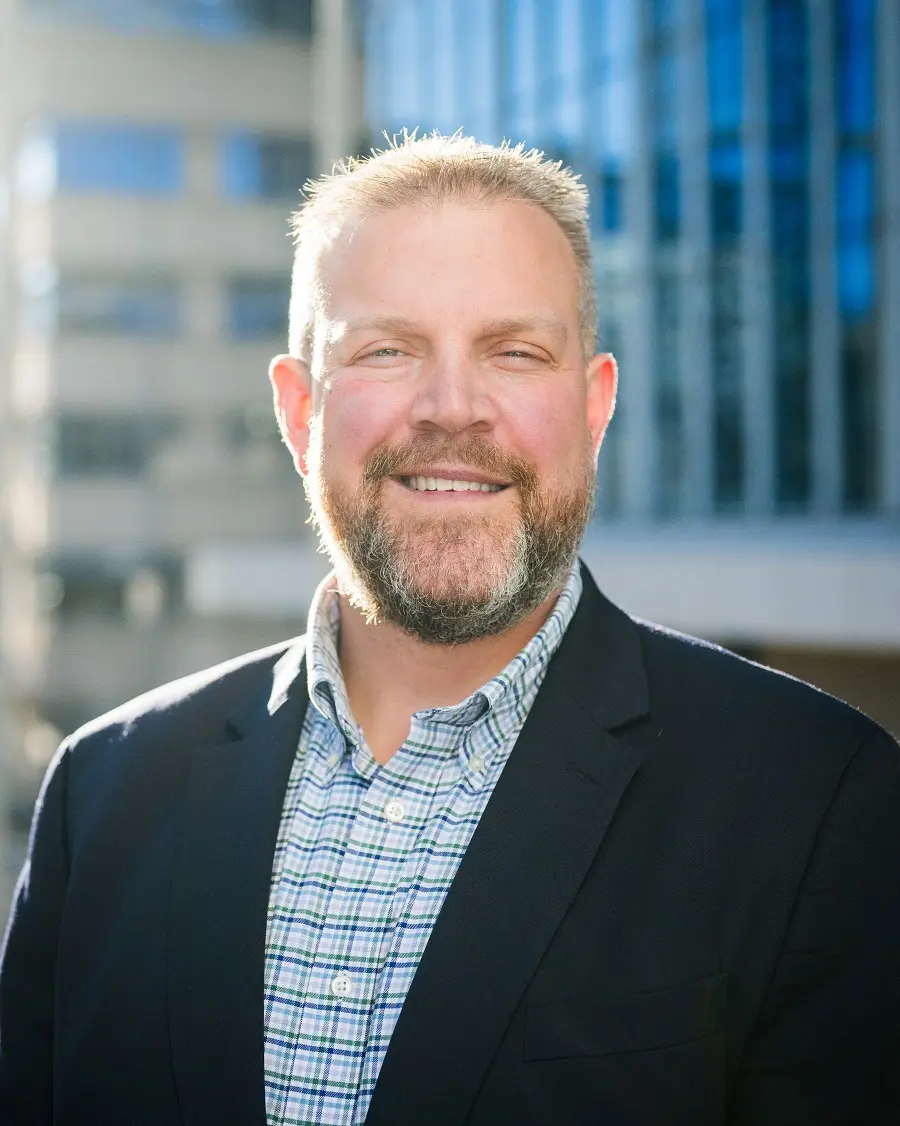
Founding Partner
Andrew advises foreign and domestic companies, organizations, and entrepreneurs on a broad range of corporate and international regulatory and transactional issues.
-

Partner
Hunter focuses on general corporate matters, healthcare compliance, international trade laws, and anti-kickback regulations.
-

Of Counsel
Brian Fonville
With experience as a transactional lawyer in finance and corporate matters in New York City, Brian boasts great experience in cross-border commercial transactions, software licenses, and investment funds.
-

Of Counsel
Laura A. Lopez
With experience both as a Litigator at Davis Polk & Wardwell and as General Counsel of a private global merchant advisory and investment firm, Laura provides advice on a wide range of issues impacting businesses including dispute resolution.
-
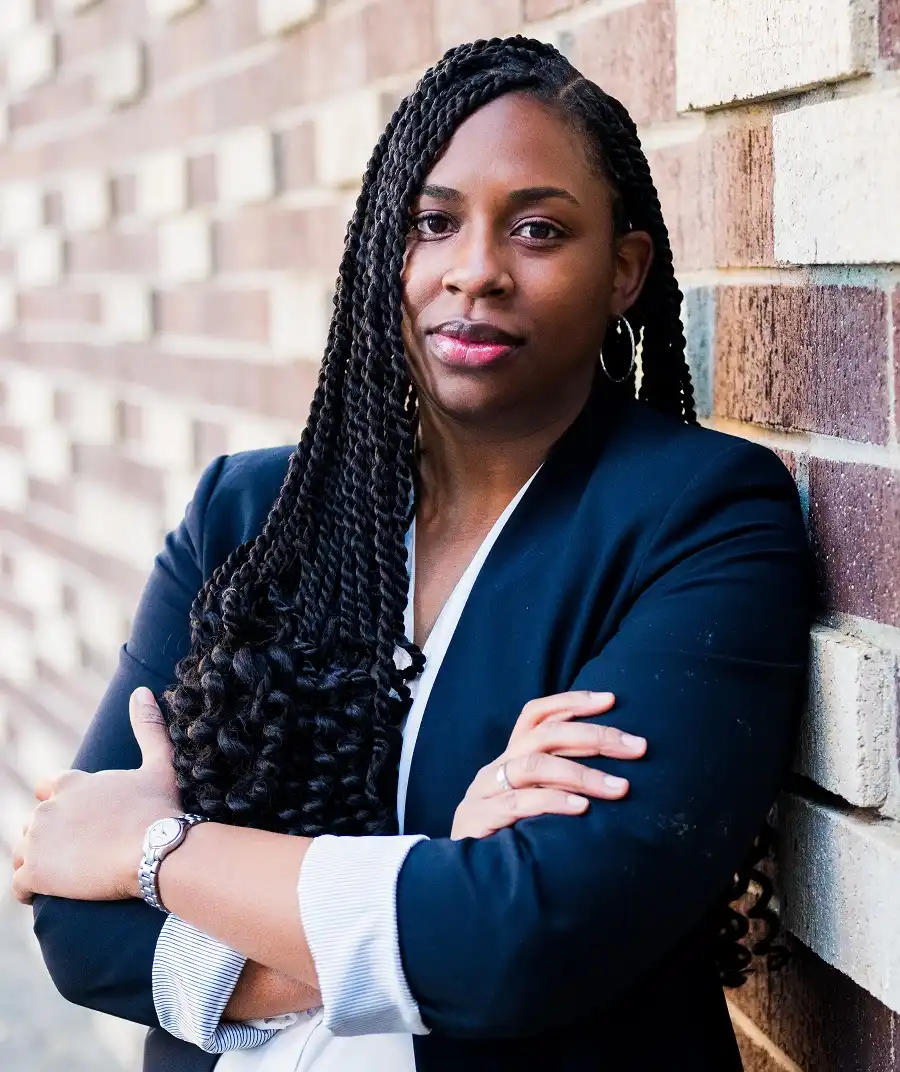
Of Counsel
Christina is a recent graduate of the University of Denver Sturm College of Law, where she received the Irving P. Andrews Award for Outstanding Law Graduate as well as the Student Leadership award.
-
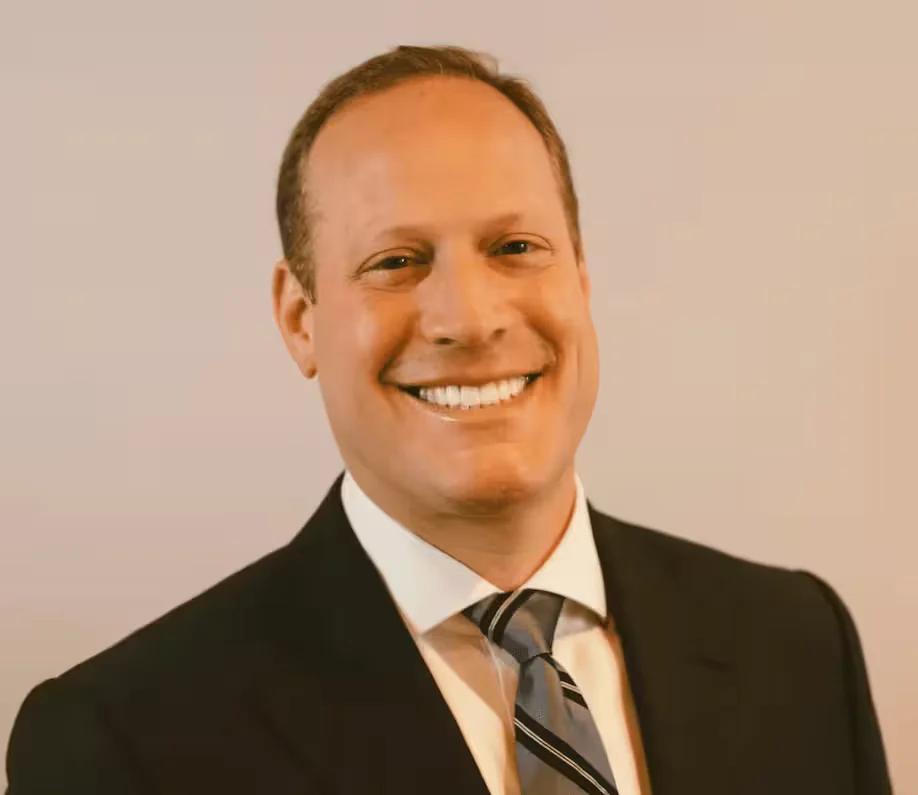
Of Counsel
Josh Wallenstein
Managing Member of the Wallenstein Law Group, Josh offers no-nonsense solutions to a variety of compliance and risk management issues.
-
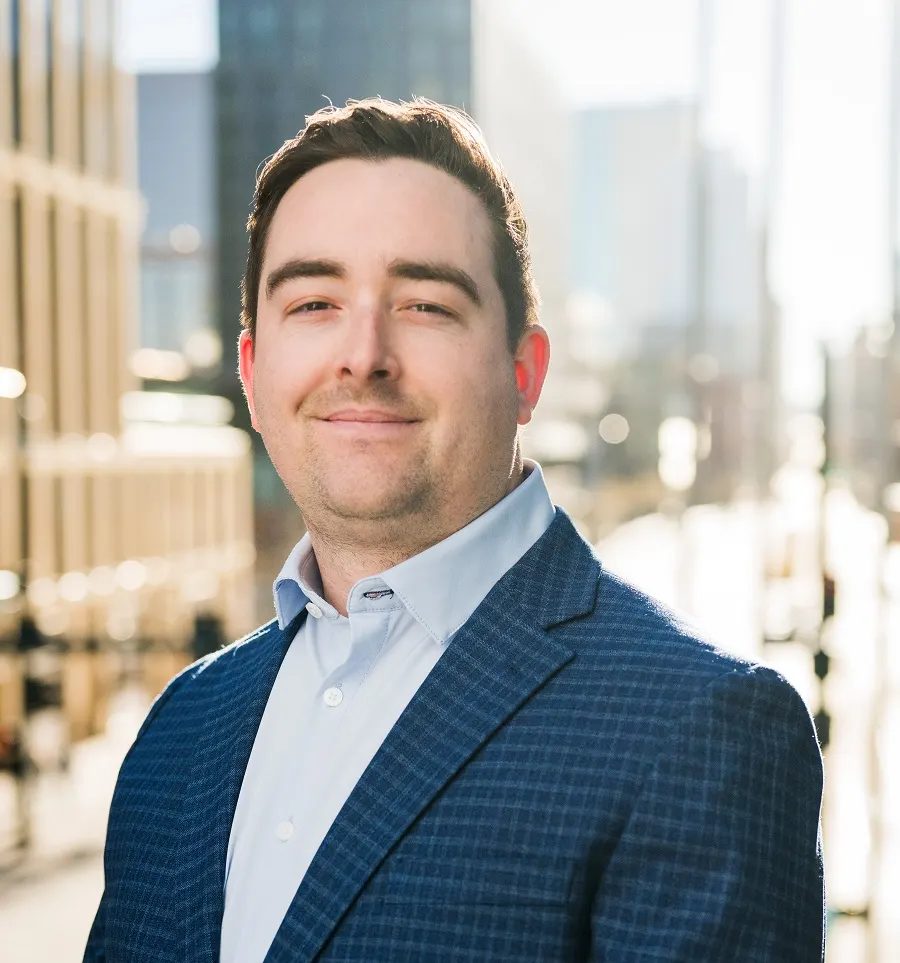
Of Counsel
Being a corporate and transactional attorney, Nick's focus is in mergers & acquisitions, guiding clients through all deal phases. He also covers business formation, governance, and diverse contract drafting, serving clients nationally and internationally.
-

Associate
Caroline advises small and mid-size businesses throughout the entire business life cycle, from formation to dissolution. She focuses on commercial transactions, contract drafting and negotiation, mergers and acquisitions, and corporate governance matters.

Areas We Serve
FAQ
-
A common mistake is giving up ownership of the software. Licenses do not transfer ownership of your software. They only permit its use. An agreement should expressly reserve ownership of your software.
-
Your agreement should address both the software you created and the improvements made by the AI or machine learning algorithm. In other words, you provided the seed. The agreement should explain who owns the plant that grows from it.
-
A click-through or shrinkwrap agreement can work for simple, low-risk transactions, but it rarely covers IP ownership, liability caps, or what happens if a user misuses your software. Once real money or real risk is on the line, a template built for a different product usually costs more to fix than it saved.
Contact Our Denver Software Licensing & SaaS Agreement Attorneys Now!
Your company's needs are unique. You cannot rely on off-the-shelf license agreements to meet them. Instead, you need a software licensing lawyer who will tailor an agreement to your products, services, and revenue model.
Contact Sequoia Legal to discuss your business objectives, and let us create the right software or SaaS agreement to meet them.